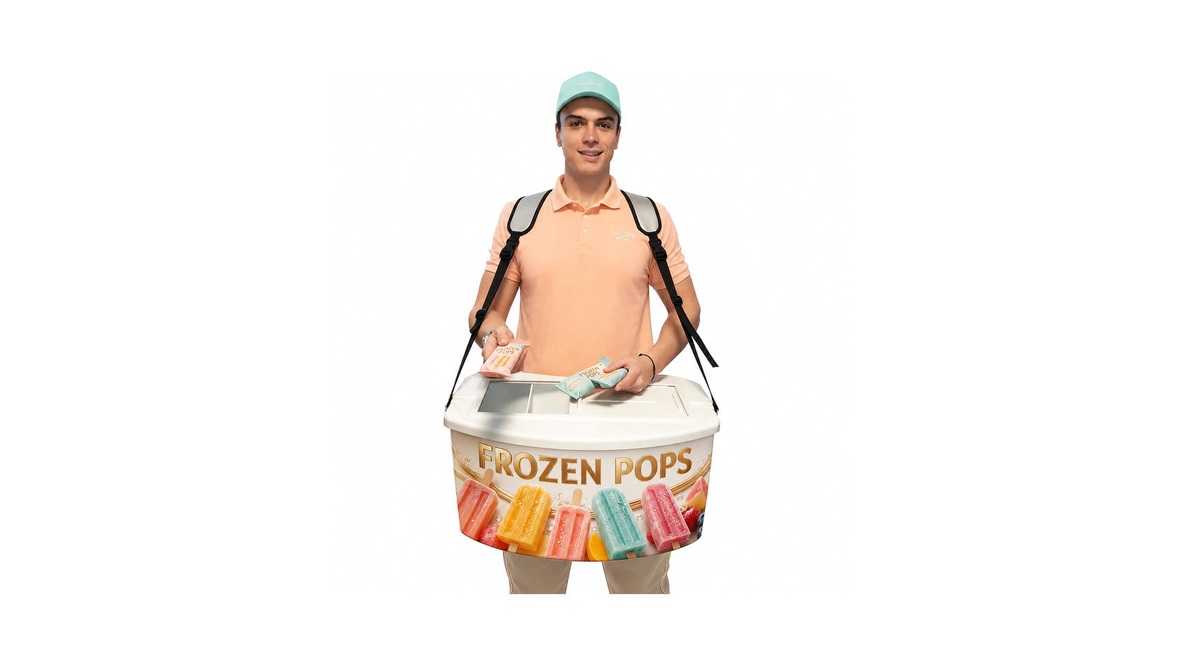
Why Tokyo’s top hospitality brands choose Rocketpacks dispensers
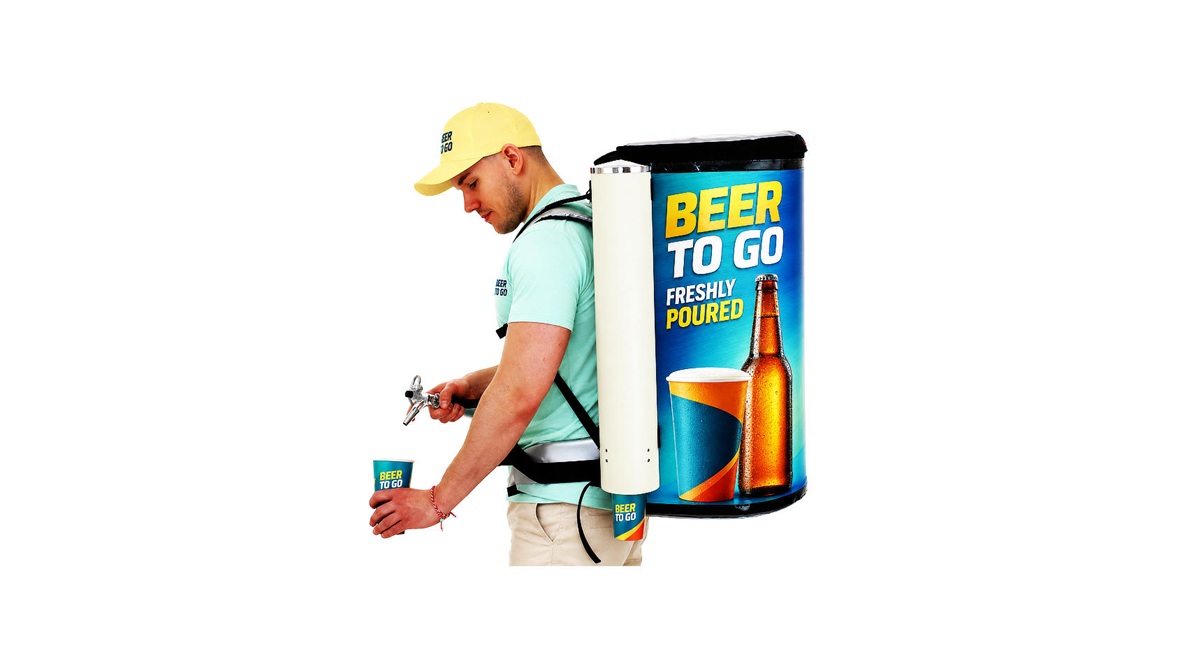
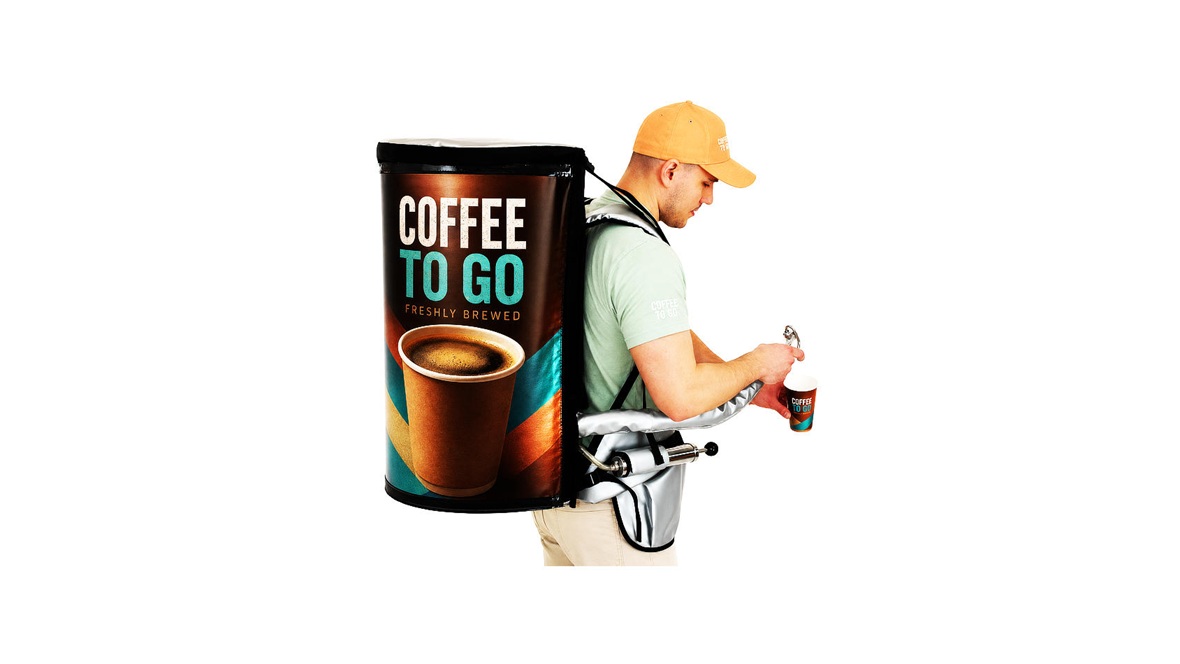
- The beer dispenser backpack is perfect for serving beer on the go!
- Ideal for outdoor events, festivals, and parties.
- Fresh beer wherever you need it.
Questions About Professional Beer Backpack Service
The video presents a beer dispenser backpack as part of a professional mobile beverage service. For hotels, caterers, event venues and beverage brands, the equipment must fit into an organized service concept rather than being considered as an isolated dispensing product. The following answers explain how the system can be prepared, presented and integrated into a professional hospitality environment.
What type of professional application does the video represent?
The video provides a visual example of mobile beer service in an event or hospitality setting. It shows how an operator can carry the beverage and approach guests without being permanently positioned behind a fixed bar.
The filmed equipment represents one possible application. The backpack model, beverage capacity, pressure supply and visual design required for another project must be determined separately.
Is the configuration shown in the video supplied as one fixed package?
Not necessarily. Beer dispenser backpacks can be configured with different containers, taps, pressure options and accessories. The correct combination depends on the beverage, serving quantity and planned operating procedure.
Before ordering, the complete workflow should be considered, including filling, carrying, dispensing, refilling and cleaning.
How can a beer backpack be incorporated into a hospitality concept?
The system can complement an existing bar, buffet or beverage station by allowing selected drinks to be served directly among the guests. It may be used during a reception, outdoor celebration, promotional activity or scheduled event period.
The backpack should be assigned a clear purpose. This may be direct beverage sales, table-side service, guest welcome, product presentation or a branded tasting campaign.
Can the backpack replace the main bar at a professional event?
A mobile dispenser is generally most effective as an additional service point. A fixed preparation area is still useful for chilling beverages, filling containers, storing cups, cleaning equipment and managing replacement units.
Whether mobile service can cover the complete beverage demand depends on the number of guests, serving volume, available staff and distance to the preparation area.
Which hospitality environments may be suitable?
A beer dispenser backpack may be considered for professional environments in which guests are distributed across a larger area or where a visible mobile service is part of the event concept.
- Hotel receptions and garden events
- Conference and exhibition hospitality
- Outdoor restaurant areas
- Corporate celebrations
- Product presentations
- Brand activations and sampling campaigns
- Private functions with professional catering
- Temporary event locations
The venue operator must approve the intended serving area and ensure that mobile service does not obstruct guests, staff or emergency routes.
Can the beer backpack also be used indoors?
Indoor operation may be possible when sufficient space is available and the venue permits mobile beverage service. Floors, stairways, doorways and furniture arrangements should be checked before the event.
The wearer needs enough room to turn and dispense without touching guests, decorations or service equipment. Narrow dining areas and crowded passages may not be suitable.
At which stage of an event is mobile service most effective?
The backpack does not necessarily have to remain in operation throughout the entire event. It can be assigned to periods in which guests are moving, waiting or gathering away from the main bar.
Possible service periods include:
- Arrival and guest reception
- Outdoor welcome drinks
- Breaks between presentations
- Networking sessions
- Product launches
- Terrace or garden service
- Short periods of increased demand
Restricting use to defined periods can simplify beverage preparation, staffing and temperature management.
What should be prepared before guests arrive?
The complete system should be assembled and tested before the operator enters the guest area. The intended beer, cups and dispensing components should be used during this preparation.
- Pre-chill the beverage
- Clean and inspect the container
- Connect the hose and tap securely
- Install and check the pressure equipment
- Test the beverage flow
- Check for leakage
- Prepare the required cups
- Adjust the harness to the operator
- Confirm the serving route and refill point
Testing only with water may not reveal the actual foam behaviour of the selected beer.
Why should the original beer be used for the service test?
Different beers can respond differently to movement, temperature, pressure and flow adjustment. A setting that works with water or another beverage may not produce the same dispensing result with the intended product.
A test with the actual beer allows the team to check pouring behaviour, cup filling and the practical serving procedure before guests are present.
How can the mobile operator coordinate with the bar team?
The mobile seller and the fixed beverage station should work as one service unit. Responsibilities for filling, issuing cups, monitoring stock and requesting replacement units should be defined in advance.
A simple communication procedure helps the operator return before the beverage or cup supply is completely exhausted. This can reduce unnecessary interruptions in the guest area.
How should refilling be organized at an upscale event?
Refilling should take place at a prepared service station outside the main guest area. The backpack should be removed and placed securely before the container is opened or connected to filling equipment.
The refill station should contain chilled beverage stock, clean cups, filling accessories and space for checking the connections. Spills and technical adjustments should be handled away from guests whenever possible.
Can a prepared replacement backpack reduce service interruptions?
For larger events, a second prepared system may allow one unit to be exchanged while another is being refilled or inspected. Whether this is necessary depends on the planned serving volume and the distance to the preparation area.
Every prepared unit should still be checked before being issued. A replacement backpack should not remain filled and unused for an unnecessarily long period.
How can a professional appearance be maintained during service?
The backpack exterior, hose, tap and advertising areas should be clean before the operator approaches guests. Loose straps and unnecessary accessories should be secured.
The wearer should practise the complete service sequence so that reaching the tap, presenting the cup and returning the tap to its carrying position can be performed smoothly.
What clothing is suitable for the operator?
Clothing should be selected according to the event concept while still allowing the harness to sit correctly. Thick jackets, loose garments or decorative accessories may interfere with the shoulder straps, waist belt or dispensing hose.
The fit should be tested with the actual clothing and expected filling weight before the event begins.
How should the operator approach and serve guests?
The operator should stop in a stable position before dispensing. Pouring while walking can reduce control and may increase the risk of spills or excessive movement inside the beverage container.
The selected serving process should also leave enough space for payment, cup transfer and interaction without blocking other guests or service staff.
Does mobile dispensing require an electrical connection?
The backpack itself does not require an electrical connection for dispensing. Pressure is generated by a compatible manual pump or CO2 configuration.
The system does not contain active refrigeration. Separate refrigeration may therefore be required to chill and store the beer before the container is filled.
Can the backpack guarantee a particular dispensing speed?
No fixed serving rate can be guaranteed for every application. The practical speed depends on the tap adjustment, beer temperature, pressure, cup size, operator experience and interaction with the guest.
Event planning should also allow time for payment, cup handling, walking and refilling. The liquid flow rate alone does not determine how many guests can be served.
How can beverage quality be protected during the event?
The beer should remain chilled before filling, and the prepared system should not be left unnecessarily in direct sunlight or a warm service area.
Clean beverage-contacting components, controlled pressure and suitable refill intervals also contribute to consistent service. Temperature and hygiene checks remain the responsibility of the event or catering operator.
Can the same system be used for several beverage brands during one event?
A backpack can be used for another suitable beverage after the container, hose and tap have been cleaned correctly. Changing products without cleaning can transfer flavour, aroma or residue.
For simultaneous service of different brands, assigning one clearly identified backpack to each beverage may be more practical.
How can the backpack support a branded hospitality campaign?
Depending on the selected model, printed materials can be placed in transparent display areas. This allows the mobile service to be visually coordinated with the beverage brand, sponsor or event design.
The artwork should be prepared using the confirmed dimensions of the selected backpack. Printing, graphic design and installation of promotional materials are not automatically included.
Can pricing or product information be displayed on the backpack?
Visible poster areas may be used for suitable price information, beverage identification or short promotional messages. The design should remain easy to read while the operator is moving.
The venue must determine whether prices or mandatory product information need to be displayed in a particular format under the rules applicable at the place of use.
What should happen when the mobile service period ends?
The operator should return the backpack to the designated preparation area rather than leaving a partly filled system unattended. Remaining beverage, cups and payment equipment should be recorded according to the organizer’s procedures.
The container, hose and tap should then be emptied and cleaned before residues can dry inside the beverage path.
How should the beer-contacting components be cleaned?
First rinse the container, hose and tap with clean water. An appropriate beverage or beer-line cleaning solution can then be passed through the complete liquid path in accordance with the instructions for the cleaning product.
After the required contact period, rinse the system several times with clean water. The components should be allowed to drain and dry before the backpack is stored.
Which parts should be inspected after professional use?
After cleaning, the operator should check the hose, tap, fittings, seals, harness and visible surfaces. Damaged, loose or heavily worn components should be assessed before the next event.
Advertising inserts should be removed if moisture has entered the display areas. The backpack should be stored clean and dry.
Does the video confirm the suitability of the system for my event?
No. The video demonstrates the general mobile dispensing concept but cannot assess the conditions at another venue. Guest numbers, beverage type, service route, staffing and refill logistics must be evaluated individually.
A detailed project description is required before a suitable model and configuration can be recommended.
What information is needed for a professional hospitality quotation?
Please describe the planned service concept as precisely as possible. The following details help us check the required equipment and prepare an individual quotation:
- Type and brand of beer
- Required number of backpacks
- Expected number of guests
- Type of hospitality event
- Indoor or outdoor operation
- Planned mobile service periods
- Preferred container capacity
- Available keg or filling system
- Manual pump or CO2 preference
- Cup size and rim diameter
- Required advertising presentation
- Event date or requested delivery date
- Delivery country, postal code and city
If the final operating procedure has not yet been determined, provide the available event information and describe the existing beverage service. A suitable configuration can then be assessed on that basis.
Our new video captures the energy, excitement, and convenience of this mobile beer solution, making it a must-watch for beer lovers and event organizers alike.